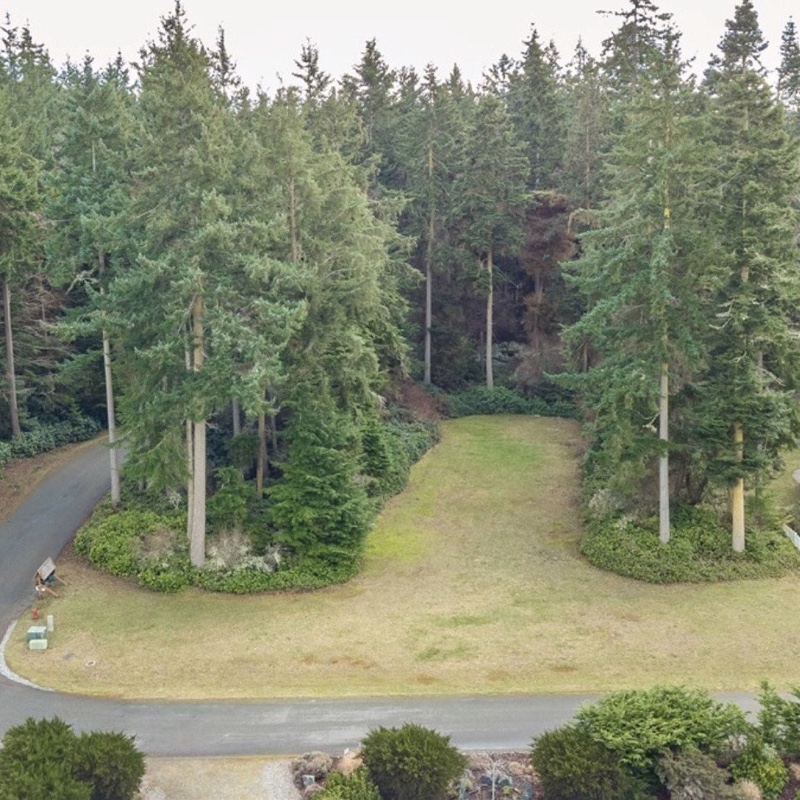
I began my search for a new home the beginning of 2018. I had a few areas in mind and went to open houses, drove around different areas as well as constantly watching new listings. I found a few homes that would work, but nothing I fell in love with. I found a 5 acre parcel of raw land with a view that I fell in love with in May which ended up not being “the one”. Buying raw land takes a lot of patience, research and perseverance. Some of the process is just like buying a home, but some is not.
- Research – Before even making an offer, research as much as you can about the property. Look up the parcel information on the county/city website (if available), or take a day off work and go to the county/city office and request copies of the public documents. Review the sales history, last price it sold for and research any updates to the land such as utilities. It’s best if utilities are on the property, but that’s not always the case. See if there are soil samples registered for a septic system if public sewer is not available and what kind of soils the tests showed.
- Financing – Financing raw land is difficult. Not every bank will lend against raw land. The lender I am using requires water on the property —well has to have been drilled, capped and tested; or there is a shared well with water rights, or connected to a public water system. There also must be proof of ingress/egress easements (you have to be able to get to the property). The down payment on a lot loan is higher —usually 25 to 30%. The interest rate will be higher and the loan length shorter. You can purchase long term lot loans, but since I plan to build as soon as possible, I did not need that. I have 2 years to start building on the lot.
- Offer – Once you have been approved for a lot loan and have gathered enough initial information, work with your realtor to make an offer. You shouldn’t ever pay full list price for raw land. Make sure your offer includes an addendum for the feasibility study and contingency for appraisal. You’ll need earnest money (shows you are serious) that will be held in escrow during this process.
- Feasibility study – Once your offer has been accepted (YAY!!), the feasibility study period begins. The average for this is 30-45 days. This is YOUR time to get all the information about the property. Feasibility is complete when YOU are satisfied that the property can support what you want to do on it. You’ll need to provide a copy of any documentation you obtained during this process to your lender. Do NOT take the seller or their realtor’s word that the property is buildable. YOU must complete your due diligence. Make sure it’s worded properly so that if there is anything that doesn’t allow you to build what YOU want, you can back out without losing your earnest money.
- Go to the county or city planning office and request a plat map with the setbacks, easements and any critical areas such as wetlands, nesting birds, etc. (seriously, it’s a thing)
- Visit the health department and ask for a copy of the site registration for septic and proof of water rights if it’s a shared well
- Contact the utilities that service the property and ask them for estimates to get power, water, gas, internet connected to the property. It’s helpful to visit the property and get the numbers on the power pole(s) closest to the property.
- If there is an HOA, get a copy of the CC&Rs (the rules for the area) and read them VERY carefully. The first property I looked at did not allow a 2-story home. That wasn’t a deal breaker for me, but could be for someone else. Some don’t allow you to live on the land while building, or they don’t allow farm animals. If you’re buying 5 acres because your kid wants a goat, this may be a deal breaker.
- Appraisal – Once the feasibility study is done, you will order the appraisal for the property. For an already built home, this usually doesn’t take that long, but for raw land, it took about 3-4 WEEKS in my experience. If the appraisal comes in less than what you and the seller agreed upon, either you have to come up with extra cash (that does NOT count towards your build) to make up the difference, the seller has to come down in price, a little of both, or you walk away from the deal. With the first property I found, I had to walk away. The seller did not want to budge and I did not have extra cash (it was a large difference) to throw into the land without it going towards the build of the house.
- Closing – If the appraisal was close and/or you worked out the difference, you are ready for closing! As long as your financial situation hasn’t changed since you were approved, it should be smooth sailing. Provide new copies of bank statements, etc, sign the documents, wire the down payment and done.
Now you own dirt! Go make a dirt angel, dig a hole, dig another hole…run around on it.
Raw land, building, dream home, zerotohero
 Carrie's Building Journey